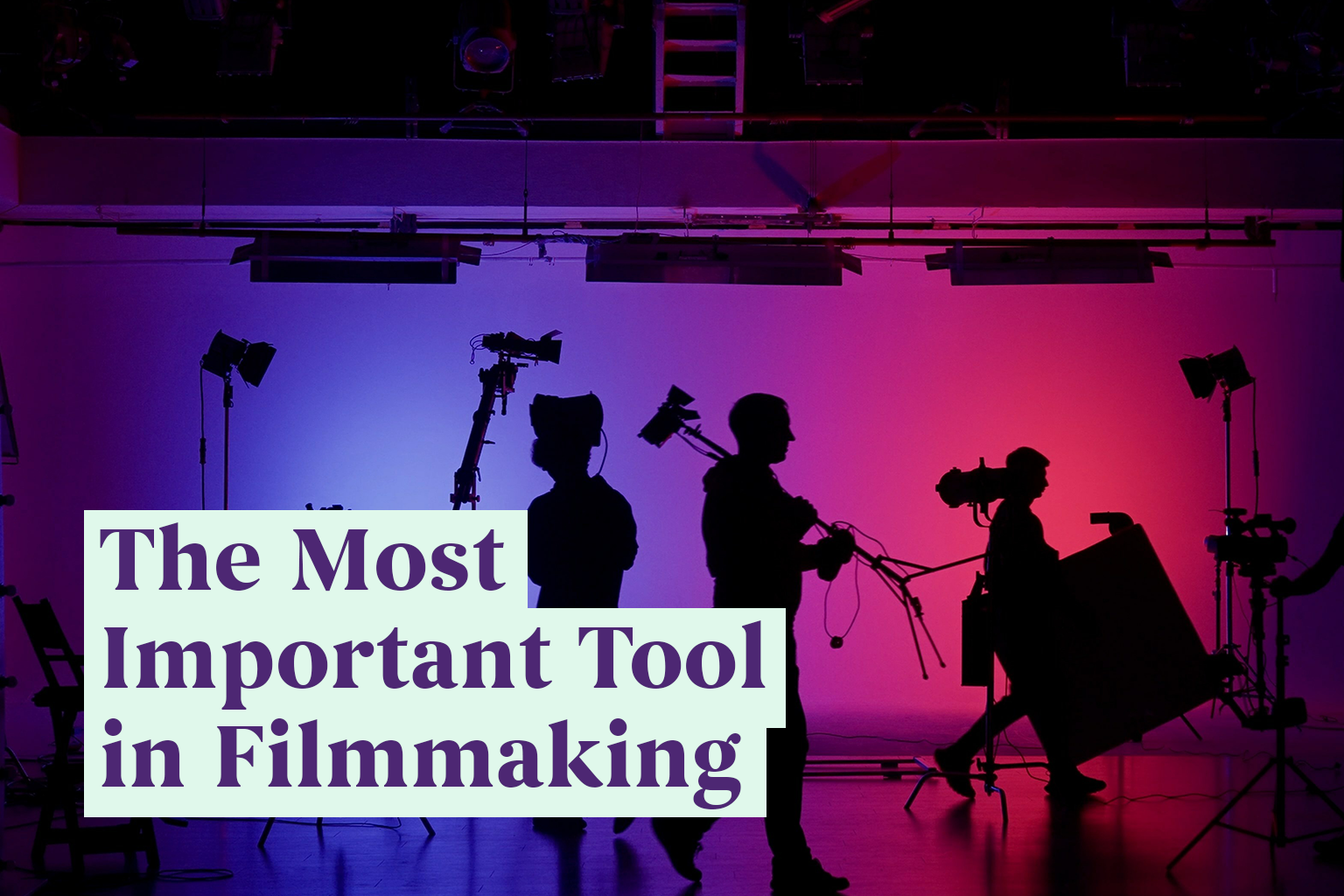
Film has an extraordinary ability to move people in a way that other media rarely match. When you watch someone speak about the difference a charity has made in their life, it isn’t just information; it’s an experience. Those moments of shared humanity have the power to inspire generosity because they show impact in its rawest form. That’s why video has become an essential tool for senior fundraisers: it brings supporters closer to the cause and invites them to be part of the story.
There is plenty of evidence to support this approach. Studies suggest that viewers remember almost everything they see in a film but only a small fraction of what they read. In practical terms, that means a well‑made video leaves a deeper impression and motivates people to act. Because a moving film is proof of impact, it doesn’t just cover its costs; it can deliver a tangible return by boosting donations. That said, video is not a magic bullet. There is fierce competition for people’s attention, and even the most beautifully shot piece will fall flat if it sits in isolation. To realise its full potential, film has to be part of a coherent fundraising strategy that ties together your messaging, your channels and your audience’s journey.
Telling people’s stories is at the heart of great fundraising films, but it isn’t without its challenges. Ethical considerations and safeguarding should always be top of mind, especially when participants may be vulnerable. Maintaining dignity and protecting privacy does not mean sanitising the story; it means finding creative ways to keep the connection without exposing the individual. For example, when we worked with DMWS, we audio‑recorded the authentic voices of those helped by the service and paired them with sensitive animation. The result conveyed the emotional truth of their experiences while preserving anonymity and ensuring that no one was put at risk. Taking time to consider these aspects can strengthen trust with both participants and donors.
Creating effective video for fundraising isn’t about filming an expensive epic; it’s about capturing the human stories at the heart of your work. Donors want to see the difference their support makes, and there is no better way to demonstrate that than through the faces and voices of those who have benefited. Keep the narrative focused, avoid jargon and let the people you serve speak for themselves. Authenticity is far more persuasive than glossy perfection, so concentrate on clear sound, good light and a genuine connection between storyteller and audience. Short films tend to perform better online because they respect the viewer’s time and deliver a clear message quickly.
Accessibility is another area that often goes overlooked when teams attempt to produce their own content. Automatic caption generation may save time, but it can misrepresent names, miss crucial words and undermine the clarity of your message. Taking the time to create accurate subtitles not only aids people who watch with the sound off but also serves supporters with hearing impairments. Similarly, narrating on‑screen text and providing clear descriptions can make your films more inclusive for people with visual or sensory disabilities. When accessibility is treated as an integral part of production rather than an afterthought, your story reaches a wider audience and demonstrates respect for all supporters.
Choosing the right platform is another key consideration. YouTube, Facebook and Instagram remain essential, but newer channels like TikTok offer opportunities to reach younger audiences who may become the next generation of donors. Search engines increasingly favour video content, so optimising your film with descriptive titles and thoughtful keywords like “charity video production”, “fundraising film”. Think about where your video will live within your broader strategy: will it launch a major appeal, support a grant application or nurture long‑term relationships? A clear plan will help you cut through the noise and connect with supporters who are already overwhelmed by competing messages.
For organisations that lack the resources or expertise to produce their own films, collaborating with specialists can make all the difference. At Objectiv, we believe that impact inspires generosity, and we help charities demonstrate that impact through cinematic storytelling grounded in evidence‑based communication. Our team takes the time to understand your mission and values, ensuring that every film not only looks polished but also serves your strategic objectives. We recognise, however, that many fundraising teams want to build their own capacity. In addition to offering full video production and strategy services, we advise and train in‑house teams to create effective films themselves. If you’re keen to develop those skills, you can start by signing up for our video tips newsletter, where we share practical guidance and insights.
Video is more than a marketing tool; it’s a medium that can spark empathy and drive action. When you show the real‑world change your organisation creates, you invite supporters to join you on a journey rather than just make a transaction. By embracing the unique power of film and integrating it within a thoughtful strategy, you can deepen engagement, build trust and grow the resources you need to continue your work.
Get free video content creation tips direct to your mailbox.
Enter your email below to receive video content creation tips direct to your email inbox. We promise not to spam you, and you can unsubscribe at any time.